Aerodromes/Tablada, Seville
Tablada, Seville
An aerodrome south of the Guadalquivir whose early structures outlasted nearly everything else of their generation.
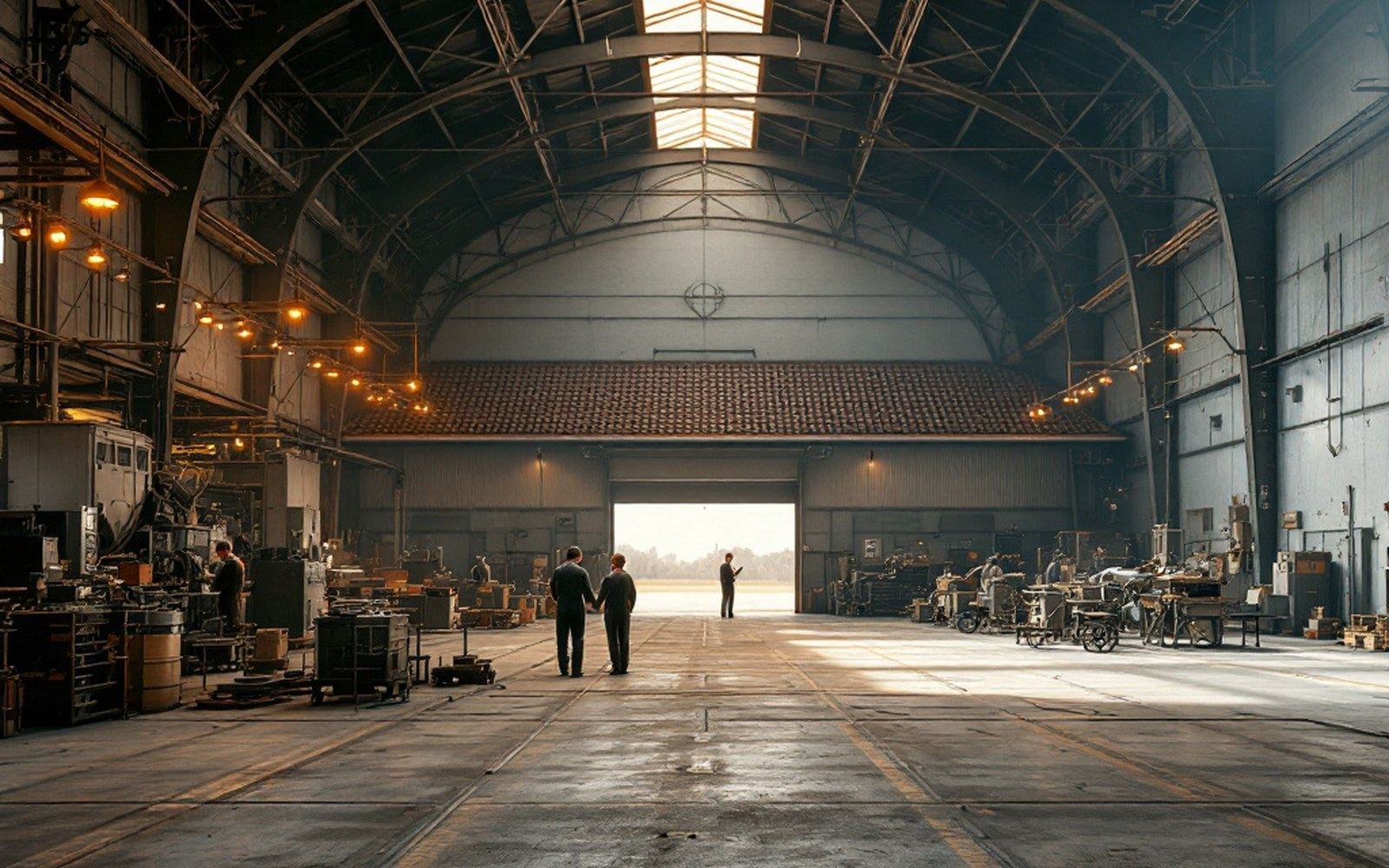
The buildings outlasted the aircraftArched openings and tiled roofs of an early southern airfield, better preserved than most.
A field on the riverbank
Tablada sits on the left bank of the Guadalquivir, just south of the old city, on ground flat enough and open enough to have been obvious to anyone looking for a flying field in the early years of powered aviation. The site was established in the first decade of the twentieth century, making it one of the earliest aerodromes in Spain, and its position — near a major port city, on land that flooded rarely and drained quickly — gave it a logic that kept it in use long after newer facilities were built elsewhere.
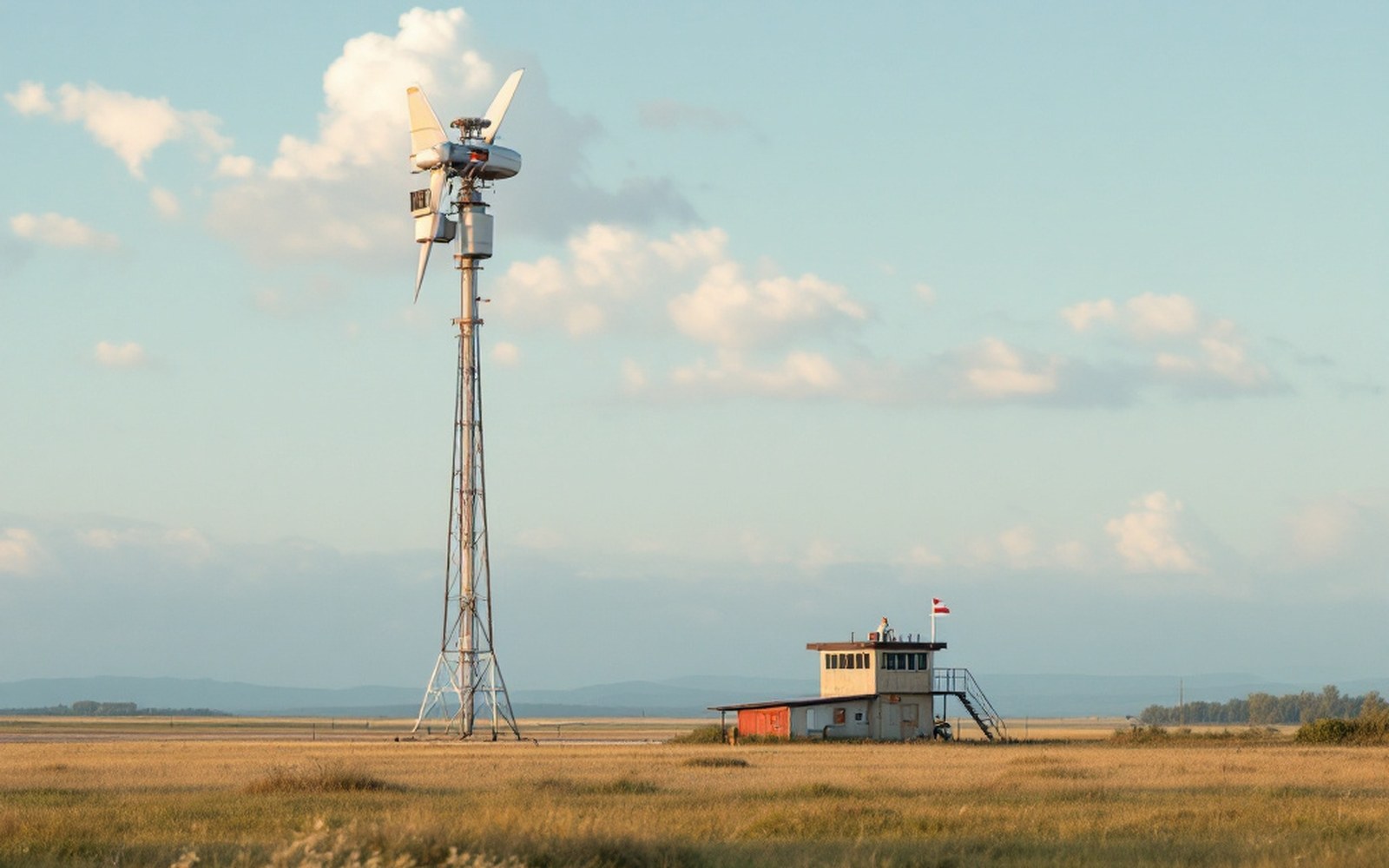
A field, not an airportA windsock and a low control building are most of the equipment an early aerodrome needed.
What distinguishes Tablada from most surviving Spanish aerodromes of its era is the relative completeness of its early built fabric. Hangars, workshops and ancillary buildings from the interwar period remain standing in a condition that allows a reader of structures to follow the thinking of the engineers who laid them out. Brick, rendered masonry and light steel framing characterise the older structures; the proportions are those of a working aerodrome rather than a prestige gateway, which is exactly what Tablada was. Where Cuatro Vientos in Madrid grew into an engineering hub close to the capital's administrative weight, Tablada's identity was always more operational — a field that processed aircraft and trained crews rather than one that hosted the design offices.
The aerodrome and the autogiro
Tablada's connection to the autogiro story is real but not primary. Juan de la Cierva's development programme centred on Madrid — on Cuatro Vientos and on the workshops and relationships he maintained there — but Seville was not outside his orbit. The southern aerodrome offered a different climate and terrain, and the practical testing of rotary-wing machines required variety: calm air, crosswinds, low-level turbulence over warm ground. Any aerodrome with maintained runways and competent ground handling was potentially useful to a programme that was working through rotor problems one configuration at a time.
The broader context matters here. Autorotation — the self-sustaining rotation of an unpowered rotor as a machine descends — had to be demonstrated repeatedly and in varied conditions before it could be trusted as a safety feature rather than a lucky result. The dissymmetry of lift problem, which arises because the advancing blade of a forward-moving rotor meets far more airflow than the retreating one, demanded solutions that held across different speeds and air densities. Cierva's flapping hinge addressed it mechanically, allowing each blade to rise and fall independently so that lift equalised across the disc. These were not desk solutions — they needed sky.
What survives and why it matters
The survival of Tablada's older structures is partly a matter of construction quality and partly one of continued use. A building that falls out of use is a building that decays; Tablada's long operational life meant its structures were maintained rather than mothballed. Heritage specialists have increasingly recognised that physical fabric of this kind — not aircraft themselves but the infrastructure built to support them — is at least as historically significant as the machines, and far rarer.
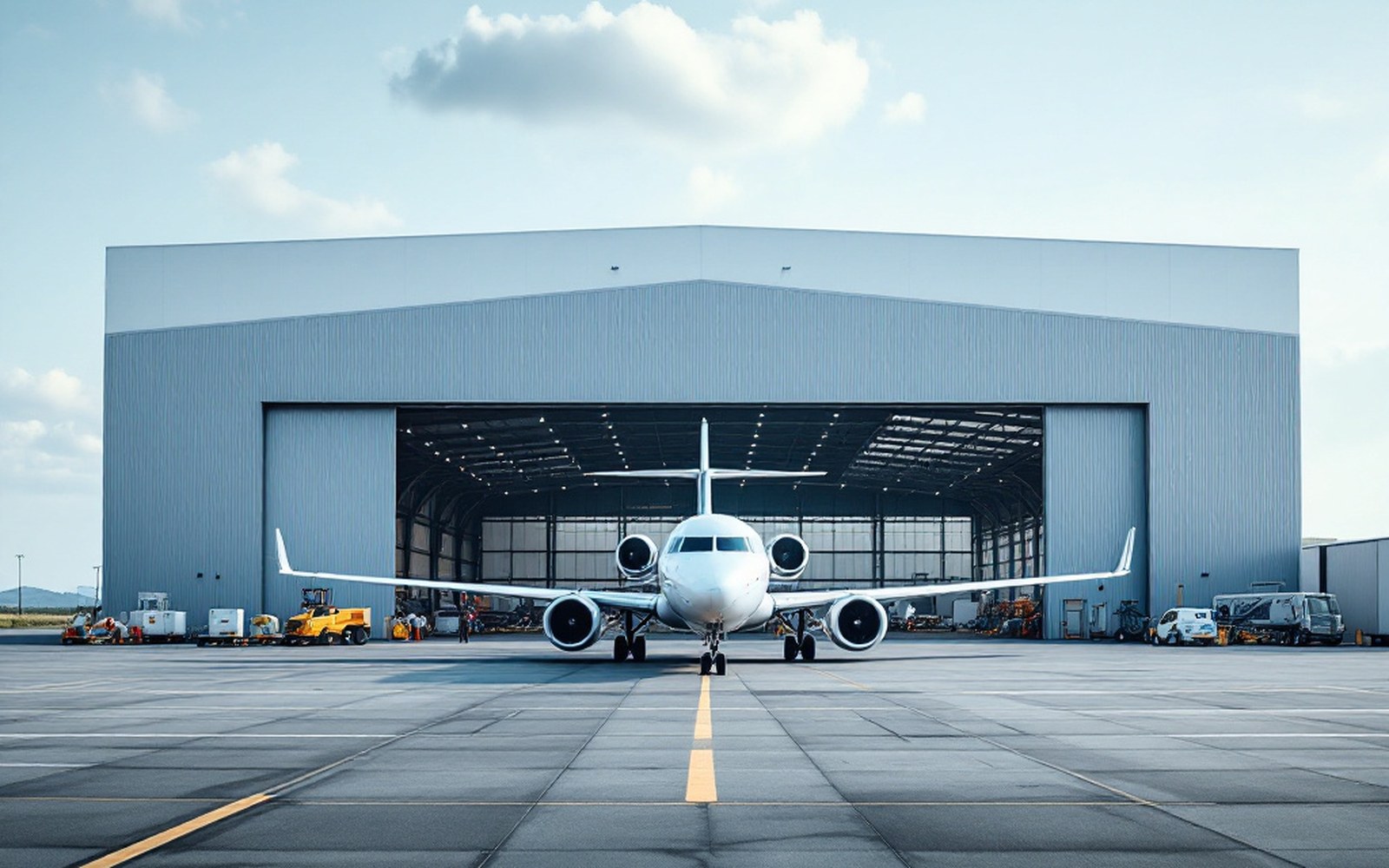
A works aerodromeA factory field is a different kind of place: the aircraft are built where they are flown.
The hangars in particular reward close attention. Their span and eaves height reflect the dimensions of the aircraft they were built to house, which is a kind of frozen specification: you can read the intended aircraft type off the structure itself, much as you can read the intended load off a bridge. The transition from canvas-and-tube biplanes to metal monoplanes is legible in the sequence of additions and alterations, each phase of construction responding to a new generation of machines.
For anyone tracing the physical geography of early Spanish aviation, Tablada appears on OpenStreetMap ↗ roughly where the Guadalquivir bends south of the city centre — the site's relationship to the river and to the urban edge is still readable on the ground. It is not an aerodrome that staged the decisive moments of rotor development, but it is one of the few places in Spain where the built world of early aviation has not been entirely swept away, and that makes it worth the attention of anyone who wants to understand not just the machines but the landscape they flew out of.