Section 01/Rotorcraft
Rotorcraft
A rotor in forward flight is not symmetrical, and every entry here is one consequence of that fact: the roll it produces, the hinge that absorbs it, the way an unpowered disc keeps turning as the machine descends, and what it takes to steer the head itself.
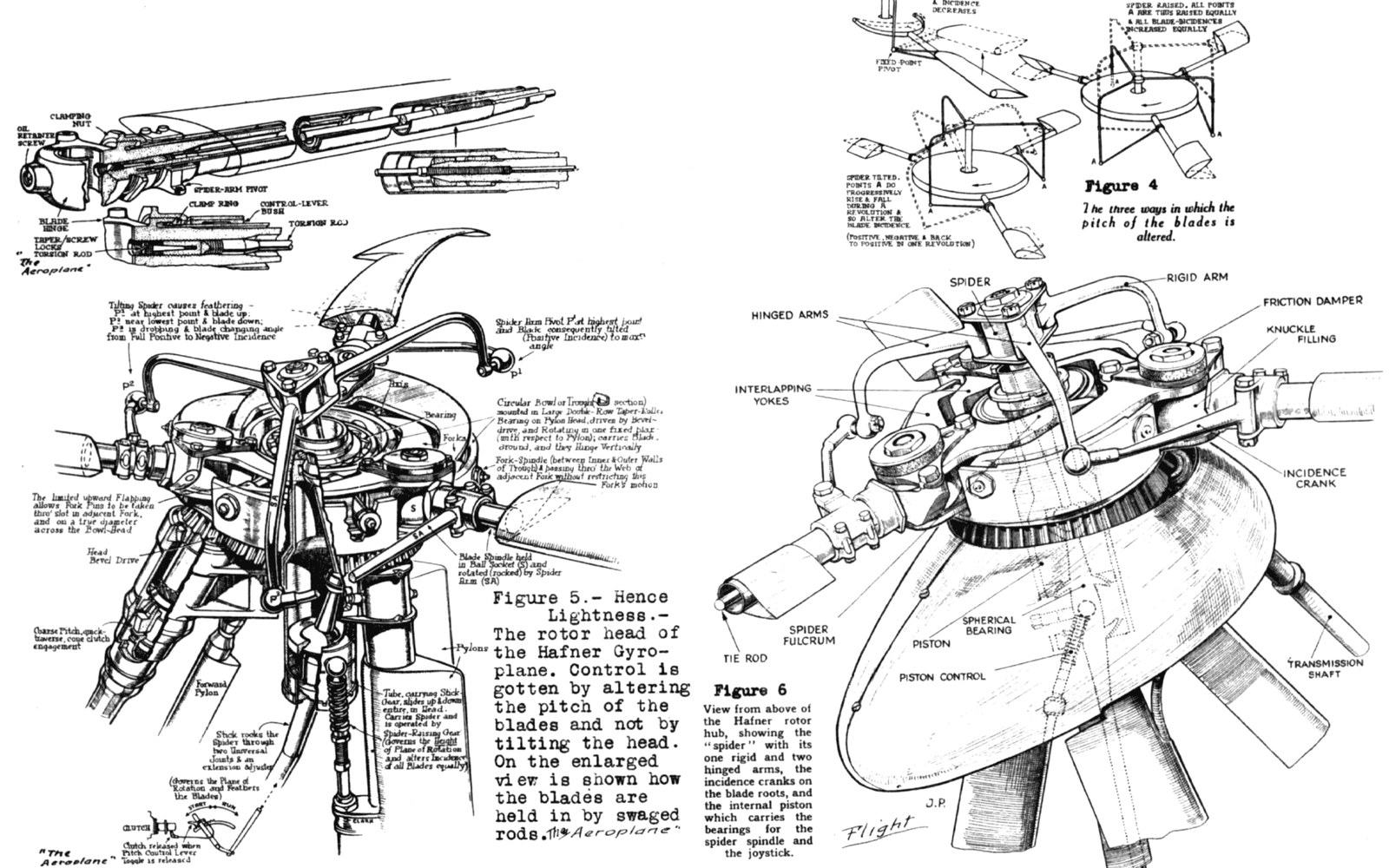
The flapping hinge
On a rotor moving forward the advancing blade meets far more airflow than the retreating one; letting each blade hinge freely up and down is what stopped the resulting roll from wrecking the machine.
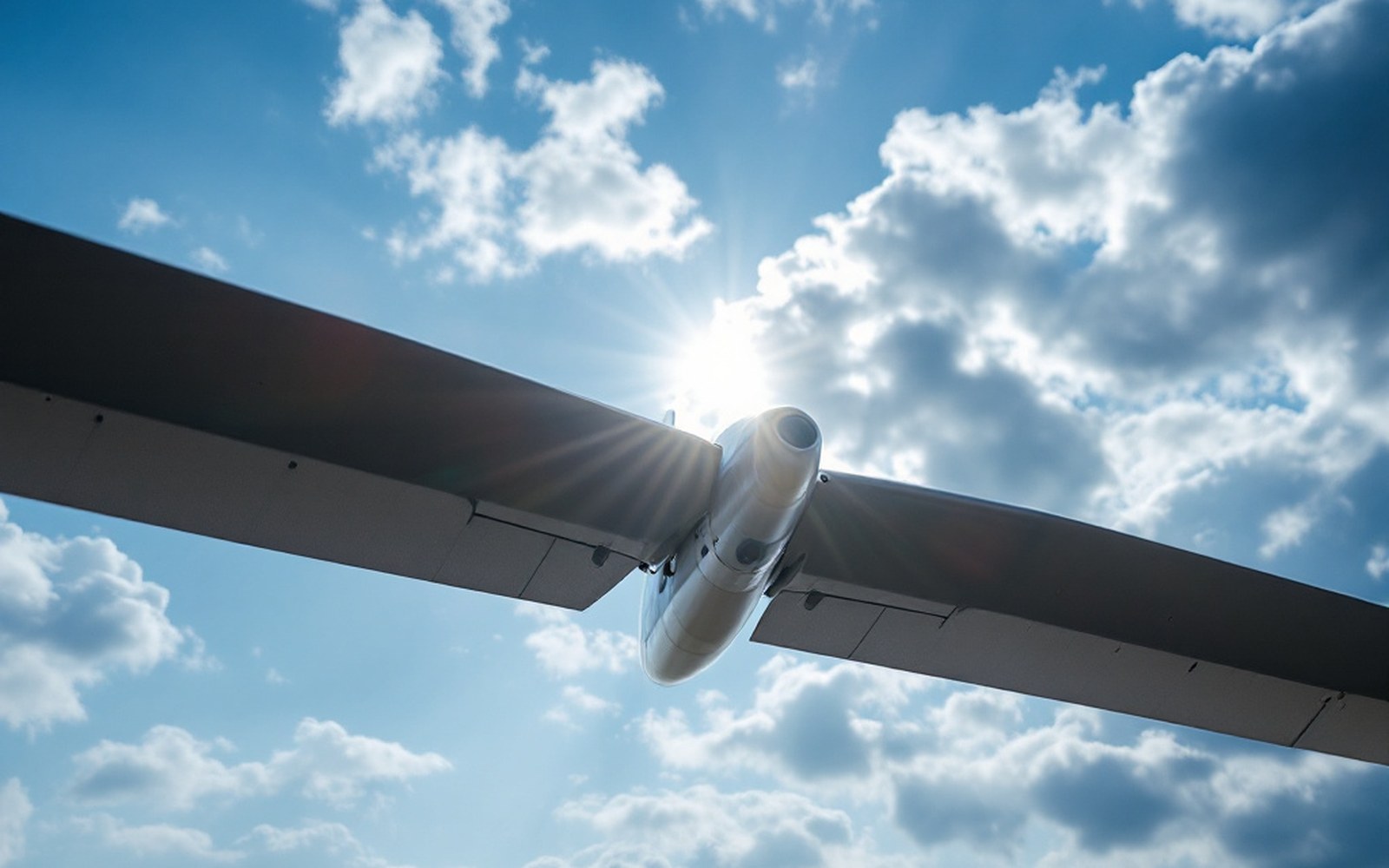
Dissymmetry of lift
The underlying problem stated plainly: one side of the disc is always doing more work than the other.
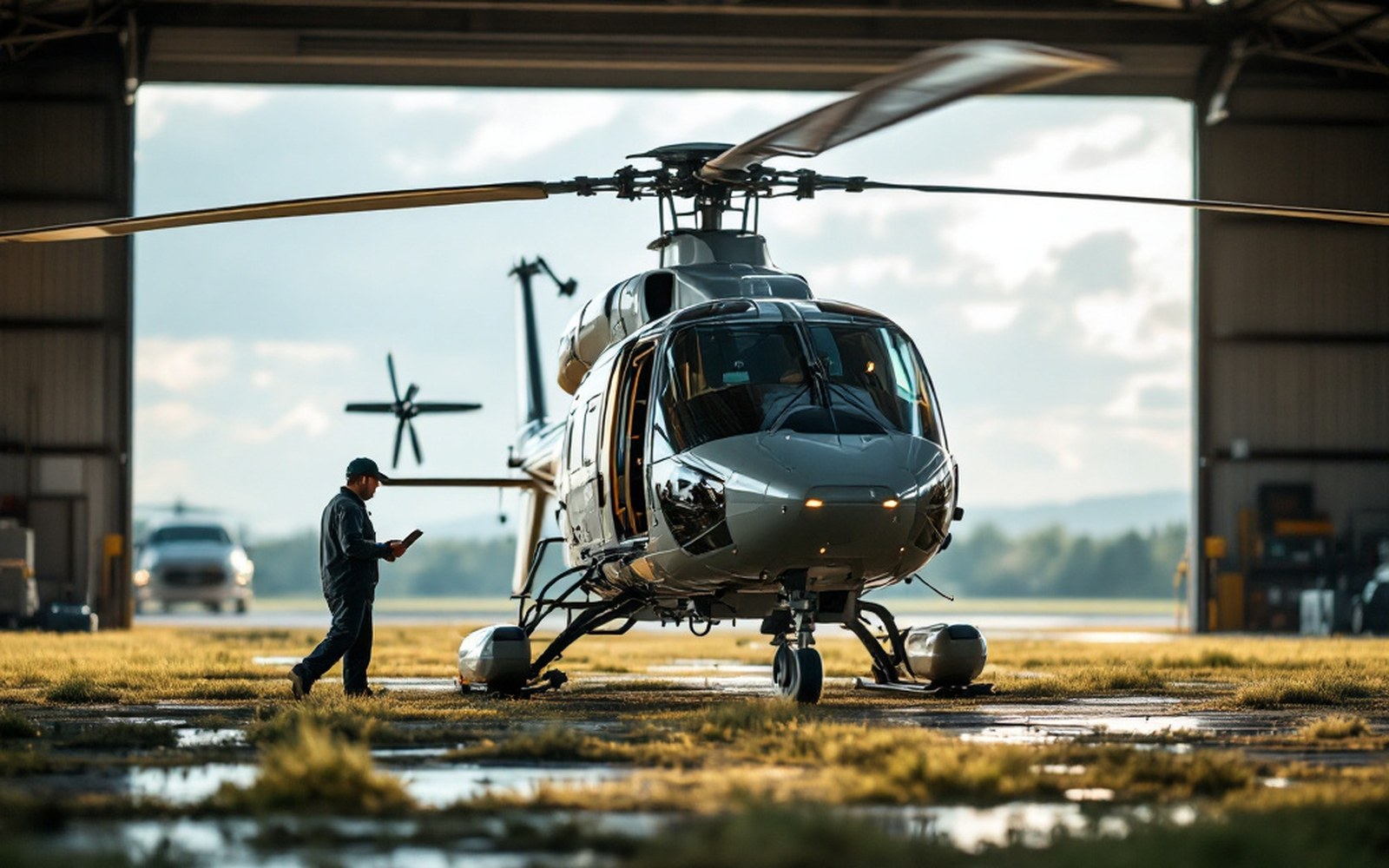
Autorotation
An unpowered rotor keeps turning in the airflow as the machine descends, which is what makes the whole configuration safe rather than merely clever.
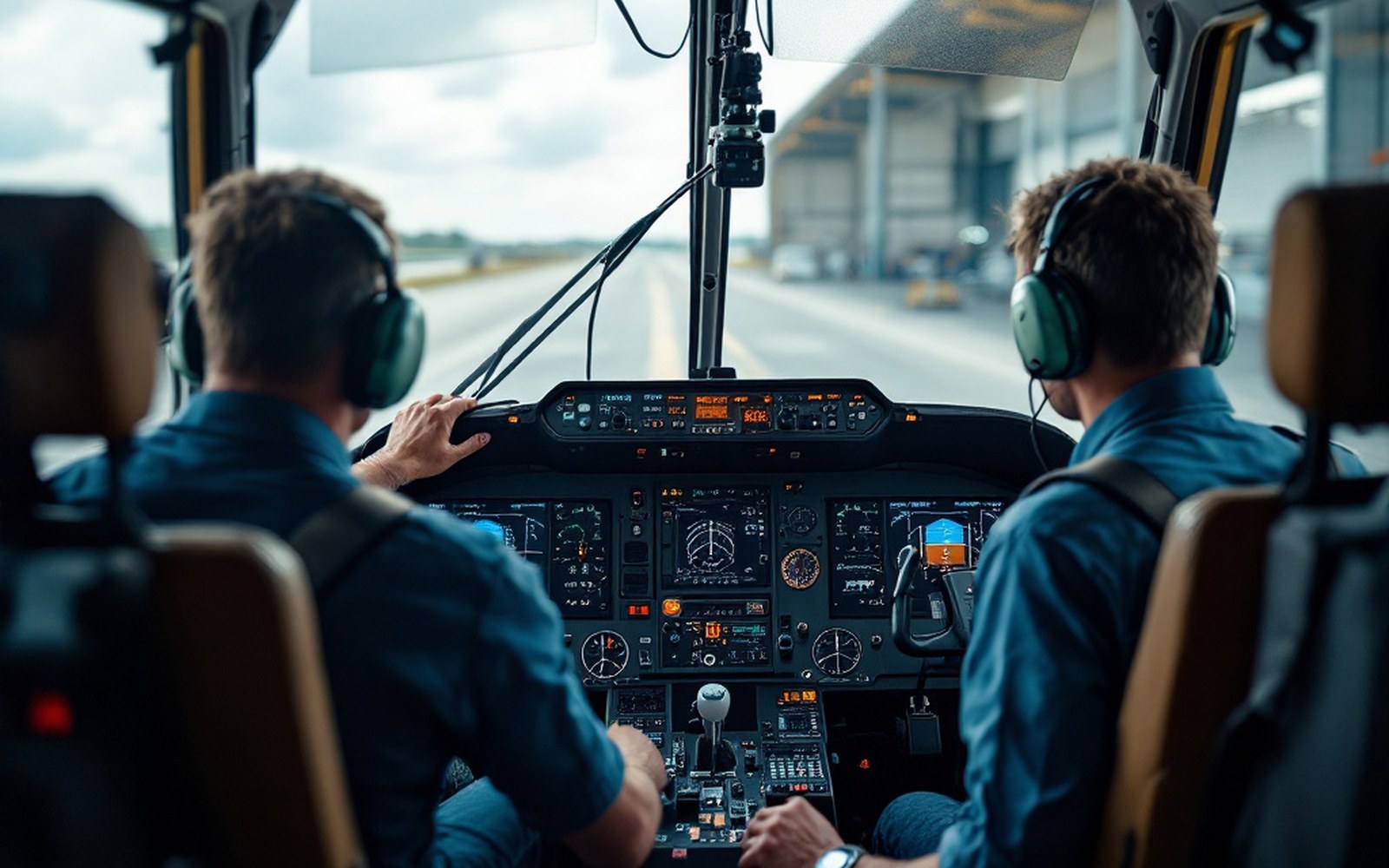
Direct control
Tilting the whole rotor head rather than working control surfaces in its wake was the step that made the machine properly flyable.
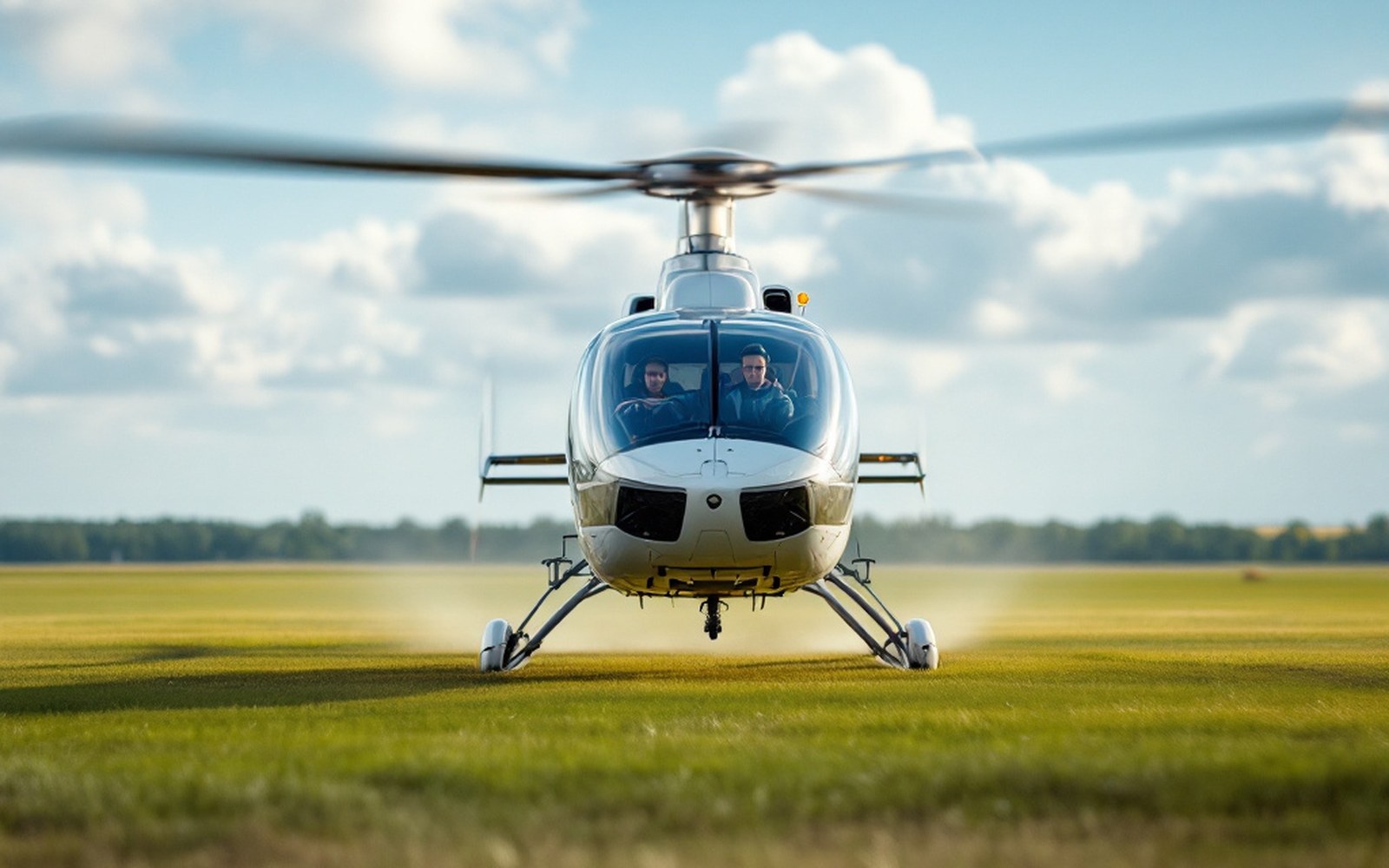
Jump take-off
Spinning the rotor up on the ground and then changing pitch lets the machine leave almost vertically.
The signature
One problem, one answer
Every entry is one problem in the airflow, and the hinge that answered it. The five entries in this section are ordered that way: the asymmetry first, then the hinge, then what the freed blade makes possible — autorotation, direct control, and a take-off that needs almost no ground run.
Other sections