The problem
Where the roll came from
On a rotor moving forward, the advancing blade meets more airflow than the retreating one. The lift is uneven, the machine rolls, and that roll had wrecked every previous attempt.
Cierva let each blade hinge freely up and down at its root. The advancing blade rises and sheds its excess lift; the retreating blade falls and recovers its own. Every helicopter rotor since owes the idea to that fix.
Aerodromes
Aerodromes it grew on
Cuatro Vientos and Tablada are among the oldest aerodromes still in use. Grass first, then hardstanding; a windsock, a low control building, and hangars that outlasted the aircraft they were built for.

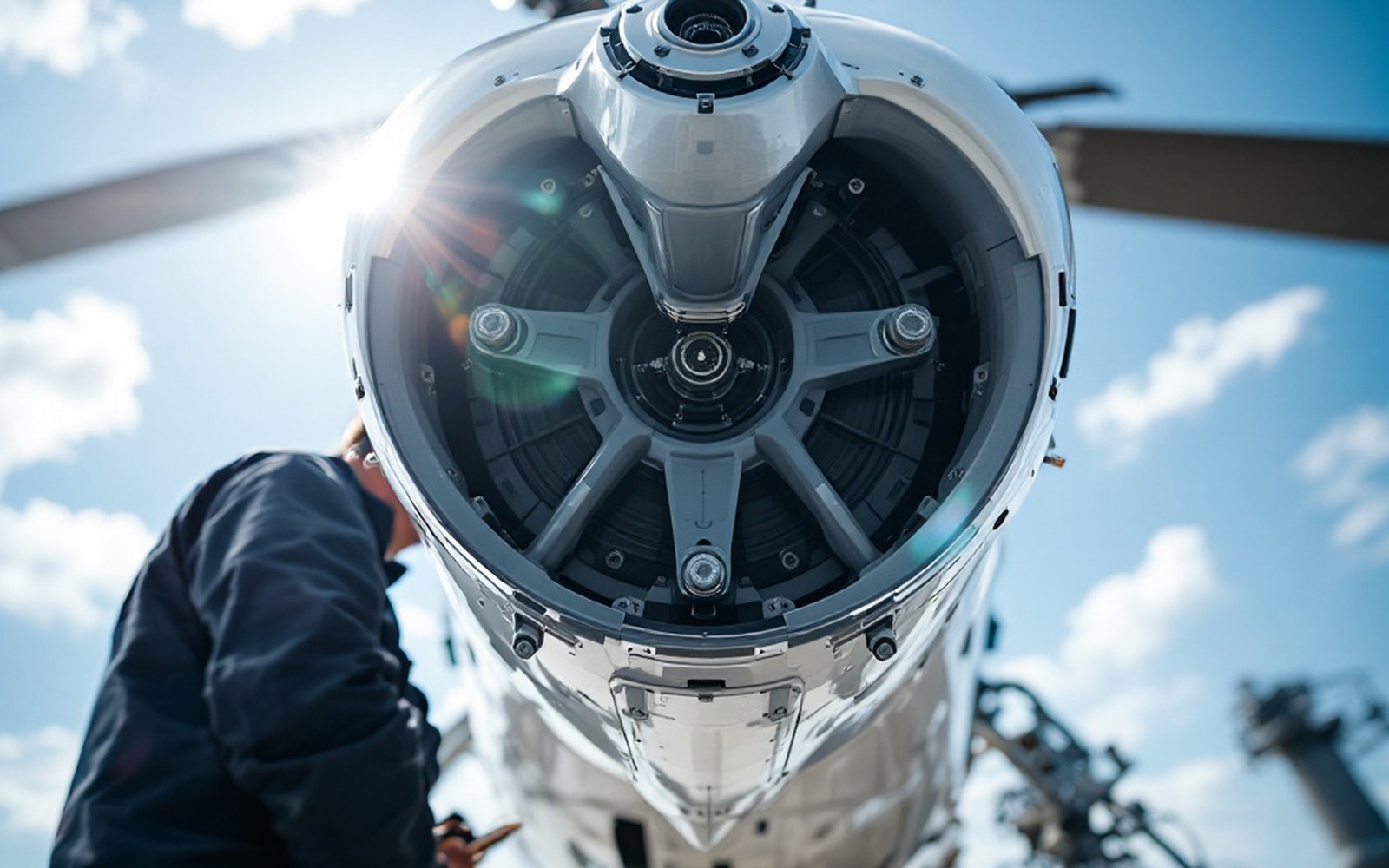
Work in progressAn airframe opened up on trestles. Rotor components are small enough to hold in two hands, which is why so many survive.
The collection
The collection is the archive
The Museo del Aire at Cuatro Vientos holds the airframes, engines and propellers that the written record only describes. What survives there is what can still be measured.
Where to go next
The register, in five parts
Supported by
Businesses and presses that keep these pages open