Rotorcraft/Jump take-off
Jump take-off
Spin the rotor fast, feather the pitch up, and the machine leaps — one of the late breakthroughs that made the autogiro genuinely practical.
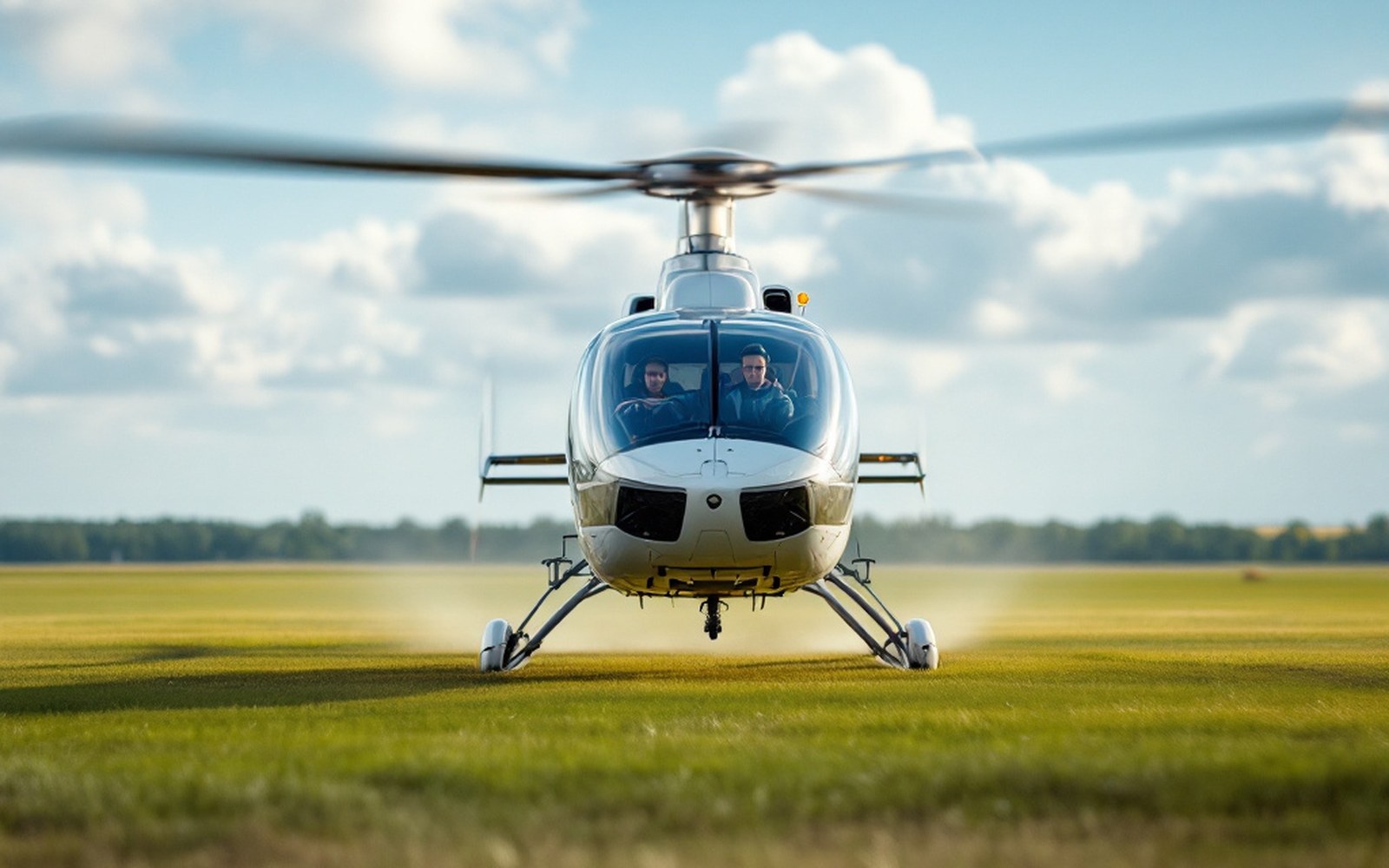
Spun up on the groundRotor speed is built with the machine standing still, then converted into lift by a change of pitch.
How the leap works
A conventional autogiro takes off the way a fixed-wing machine does: it rolls along the ground, builds forward speed, and the rotor accelerates in the passing airflow until it produces enough lift to fly. The roll is short, but it is a roll. The jump take-off eliminates it almost entirely.
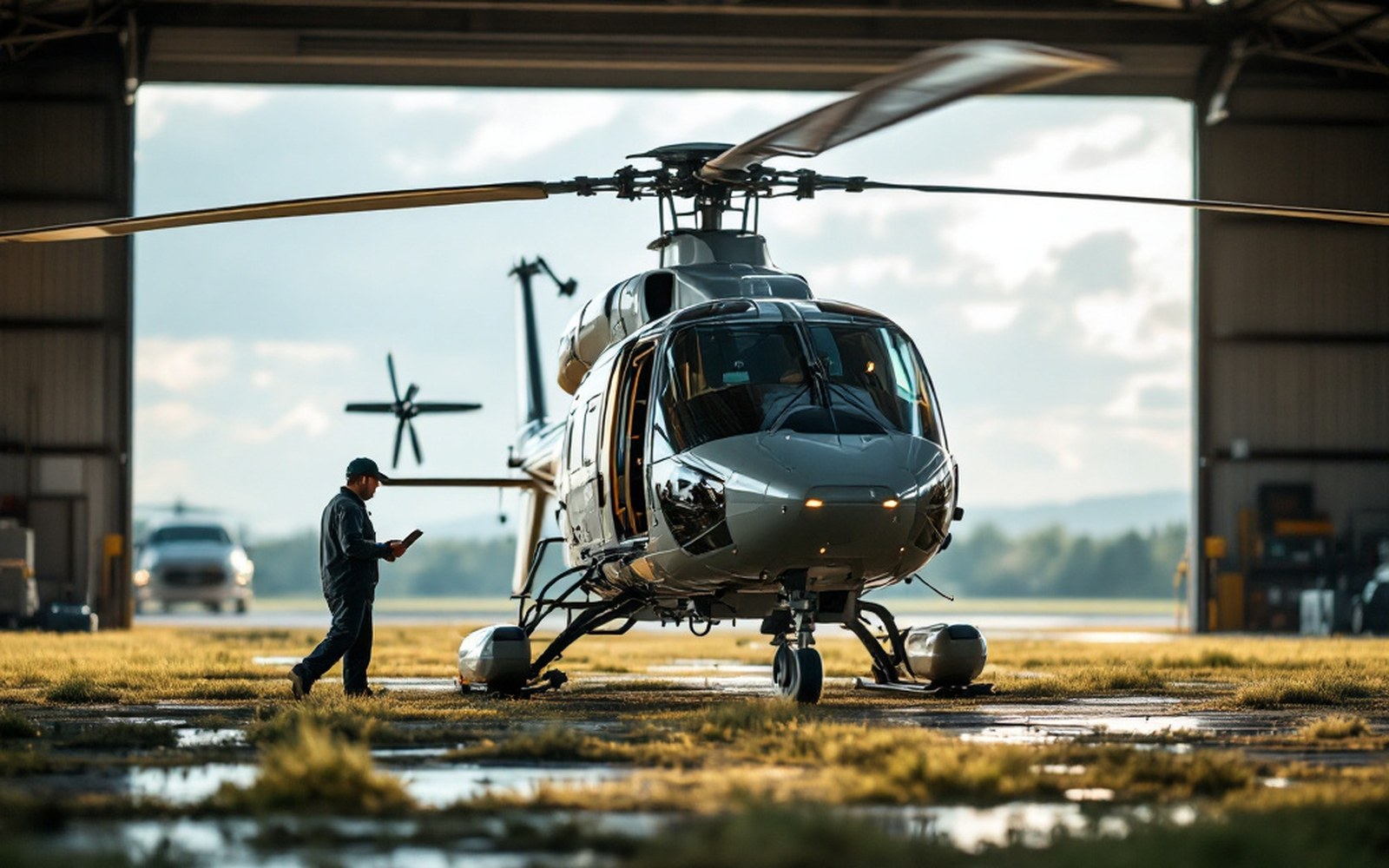
Turning on the airflow aloneWith no drive to the rotor, descent through the air is what keeps the disc spinning.
The trick is a clutch and a pitch mechanism working in sequence. Before release, the engine drives the rotor directly through a shaft and clutch, spinning the disc to a rotational speed well above what it would reach in free autorotation at flying speed. The blade pitch is held at a very low, nearly flat angle during this spin-up, so the rotor stores kinetic energy as angular momentum rather than generating much upward force. When the pilot disengages the clutch and simultaneously increases collective pitch — changing the angle of attack of all blades together — the rotor bites into the air and converts that stored momentum into a sudden surge of lift. The machine rises steeply, sometimes almost vertically, before forward flight begins and autorotation takes over to sustain the disc's speed unpowered.
The energy is finite. Rotor rpm drops sharply the moment pitch goes up, and the pilot has only seconds of enhanced lift before the disc settles to its normal autorotating speed. The take-off roll is traded for a brief sprint of rpm followed by a controlled expenditure of that stored rotation. Get the pitch transition wrong — too slow, and the energy bleeds away on the ground; too fast, and the machine pitches uncommonly hard — and the take-off degrades back toward a conventional roll or, worse, a blade-stall event close to the surface.
Juan de la Cierva ↗ worked toward this capability through successive machines in the late 1920s and early 1930s, and the C.30 series, which reached production in the mid-1930s, incorporated refined versions of the clutch-and-pitch arrangement. Testing was concentrated at Cuatro Vientos, Madrid, where the short grass field made near-vertical departure genuinely useful rather than merely impressive. The Museo del Aire, which holds surviving rotorcraft from this period, preserves hardware that still shows the clutch engagement mechanism in its rotor head.
The jump take-off never fully crossed into the helicopter world — collective pitch ↗ there is a continuous flight control, not a one-shot energy release — but as a solution to the autogiro's last remaining ground-roll problem, it was precise engineering responding to a precise constraint.
A field, not an airportA windsock and a low control building are most of the equipment an early aerodrome needed.