The Collection/Drawings and archives
Drawings and archives
The paper is the other half of the collection, and it is where the reasoning is.
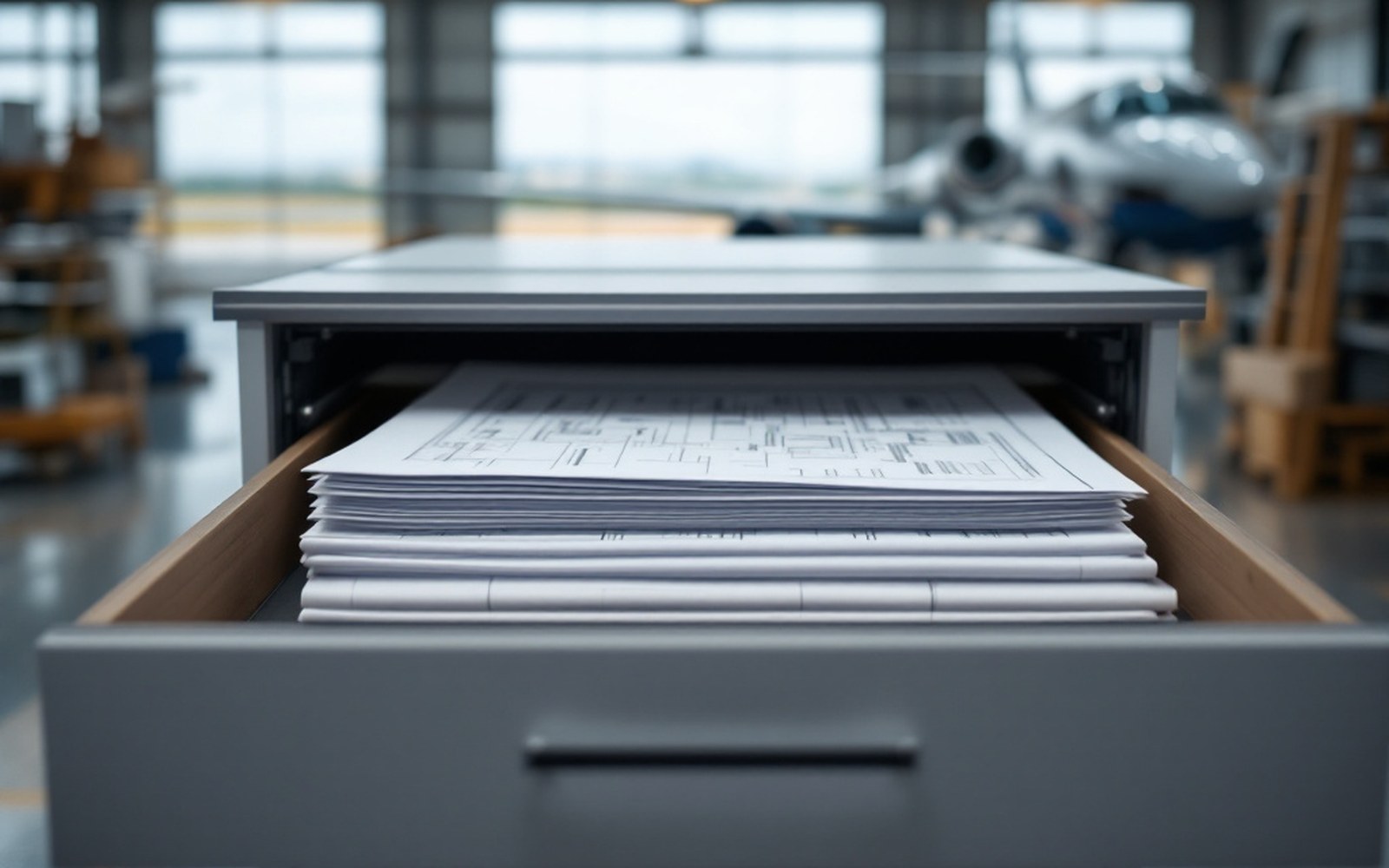
The other half of the collectionFlat drawers of large drawings: the reasoning behind the hardware is on paper.
The paper half of the collection
A surviving machine in a museum hangar tells you what was built. The drawings behind it tell you why — and often reveal what the builders changed their minds about on the way there. For the autogiro, where each successive design solved a different rotor problem, the paper trail is inseparable from the engineering history.
The working drawings that came out of Juan de la Cierva's development programme are geometry documents first. A rotor is a rotating aerofoil whose blade angle, chord, span and hinge placement must all be resolved before metal is cut or tube is bent. The drawing office was where those arguments were settled — where a proposed flapping-hinge position was tested against the numbers before anyone made a jig or bent a spar. The archive preserves that argument in sequence: you can watch a configuration change across successive drawing revisions, which no restored machine, however complete, can show you.
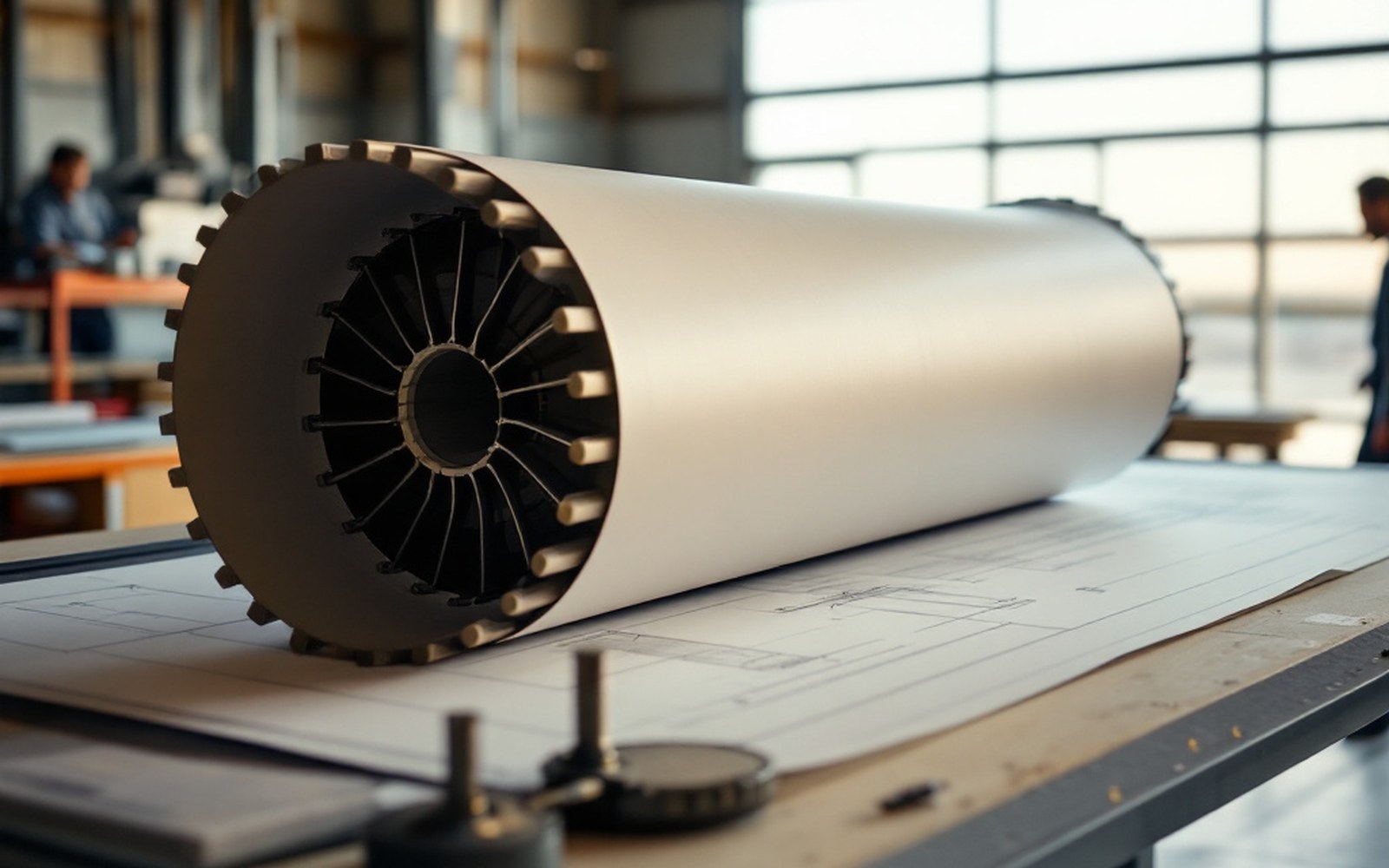
Geometry firstRotor design was argued on paper before it was flown; the drawing carries the dimensions that mattered.
The principal institutional home for this material in Spain is the Museo del Aire, whose collection at Cuatro Vientos holds both physical aircraft and documentary holdings — technical drawings, correspondence, manufacturer records and photographs. Cuatro Vientos is itself one of the oldest sites in Spanish aeronautics, and early autogiro demonstration flights took place there, which gives the archive a direct relationship to the machines it documents. The Instituto Nacional de Técnica Aeroespacial ↗, whose own roots run through the same period of Spanish aeronautical development, also holds technical documentation relevant to early rotor research.
CASA's manufacturing output generated its own archive. Production drawings, stress calculations, and the records of licence-building agreements show how designs originating elsewhere were adapted to Spanish workshop practice — different materials, different jigs, sometimes different blade geometry imposed by what the supply chain could deliver. That kind of adaptation leaves its mark on paper long after it leaves the airframe.
The Royal Aeronautical Society ↗ library in London holds significant Cierva material, including technical papers presented during the period when the autogiro was the central problem in applied aerodynamics. For researchers reconstructing how dissymmetry of lift was understood and progressively solved, these papers are primary sources — the engineers' own account of what the airflow was doing and what the geometry had to do in response.
What makes a drawing archive useful rather than merely historical is the capacity to read the revisions. A drawing stamped, amended and re-issued records a decision under constraint: it shows not only the final form but the earlier one that was found wanting. That is the engineering record, and no photograph of a finished aircraft can replace it.
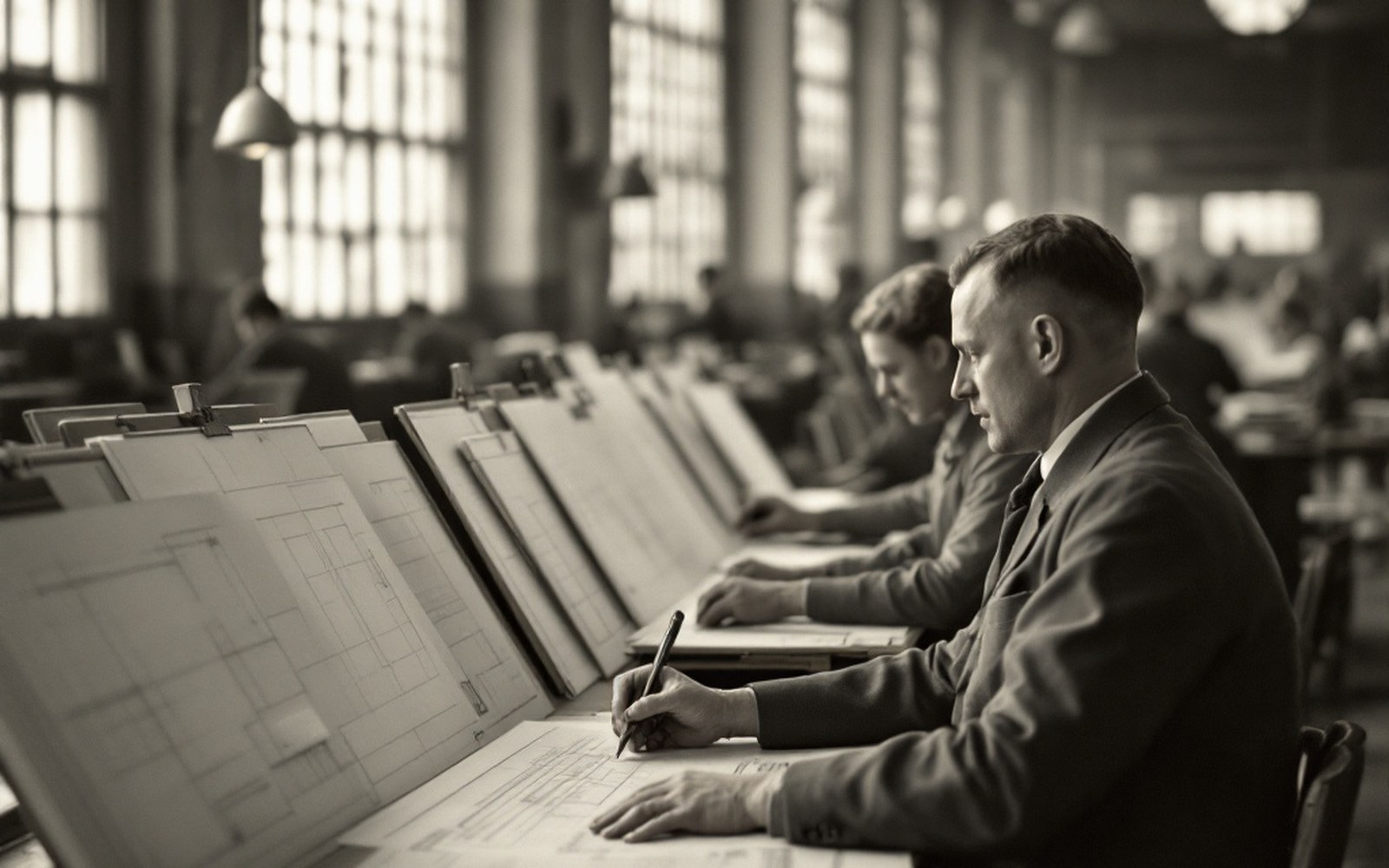
Where the argument happenedBoards in rows under high windows: rotor work is geometry before it is anything else.